Resource Collection

Data Literacy Lessons & Activities for Middle and High School

Data literacy is the ability to read, analyze, and interpret data to understand the world. This collection of data literacy lessons and activities helps students build essential skills like interpreting graphs, analyzing datasets, and drawing evidence-based conclusions. These classroom-ready STEM lessons are designed for middle and high school students and support real-world, NGSS-aligned learning.

Teaching units and supporting materials

8-12Science

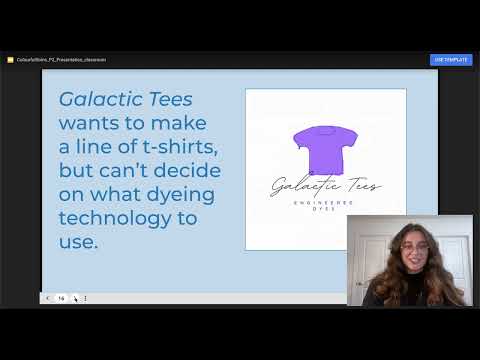
Colorful Solutions

Students will learn to think like chemical engineers as they delve into the dye technologies that allow us to express ourselves through colorful clothing. They will read and discuss complex texts, analyze concept maps and graphs, and develop an appreciation for indigenous (Māori) dye technology.

Show resource details4 items

Open unit
9-12Science

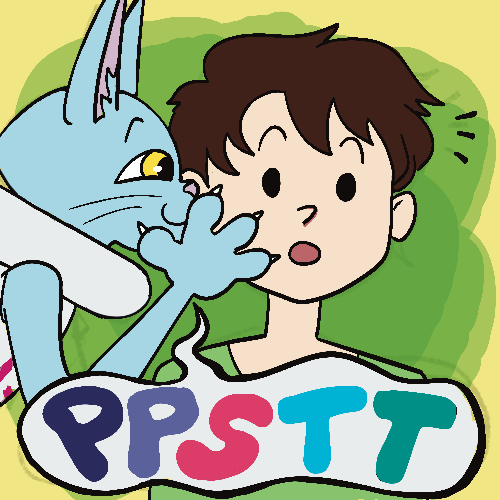
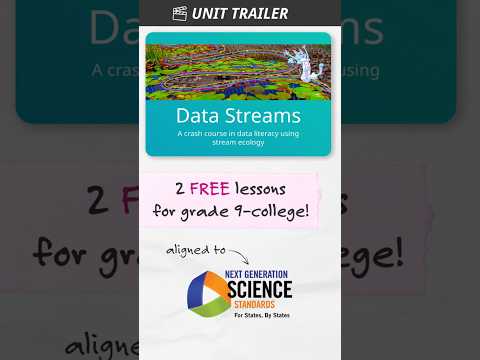
Data Streams

Level-up data literacy skills by practicing the "PPSTT" Framework for unlocking any graph's secrets. Students watch scientists model this approach & then try it on their own using multiple data types, including: the frequency of certain words in books, streamflow rates, and maps.

Show resource details4 items
Open unit
6-8Science

Fairywrens and the Art of Inquiry

Spark your scientific thinking by observing cute Australian bird behavior! Fun, interactive videos feature real biologists and student inquiry & observation. Analyze the scientists' real data to get a window into ongoing research on the evolution of group size in fairywrens.

Show resource details2 items
Open unit
5–8 & 9–12Math

Females singing to be heard

Students will learn how data visuals tell a story. They will analyze real bird song data to try to understand why female singing behavior has been overlooked in one of the most common birds in the world. They will also gain a deeper insight into the scientific peer review process.

Show resource details4 items
Open unit
6-9Science

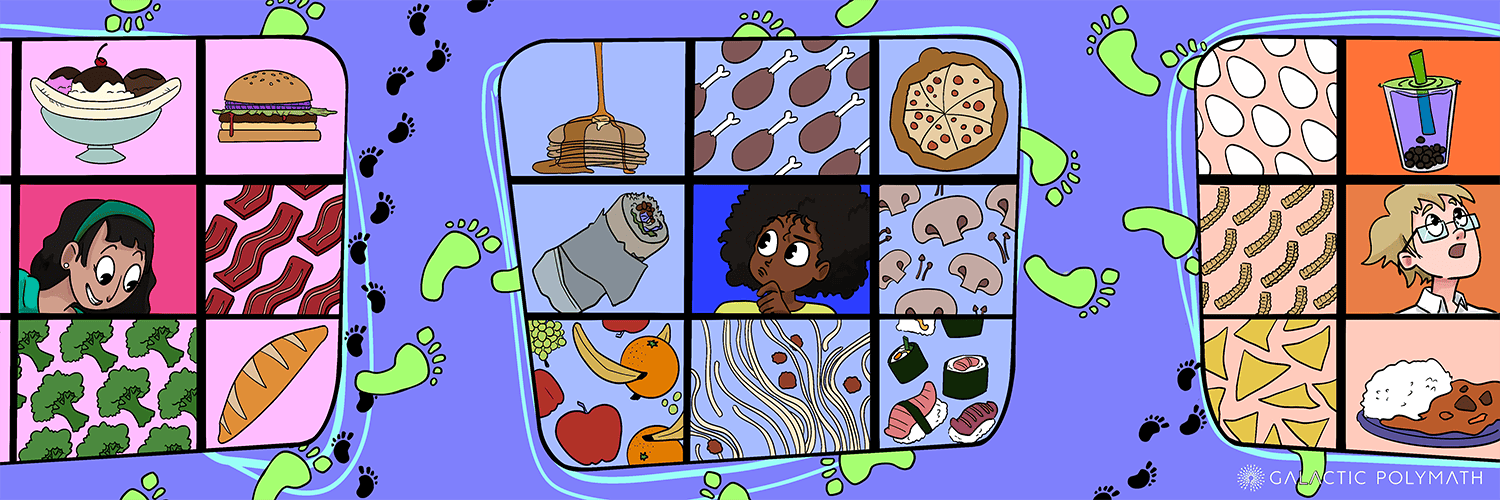
Future Foods

Food and climate are deeply connected. Students will dig into data to discover how our food choices impact greenhouse gas emissions. They will propose solutions to reduce their carbon “foodprint,” both as current consumers and as future food engineers. Students will eat this up in class and savor it for years to come!

Show resource details4 items
Open unit
9-12Science

Genetic Rescue to the Rescue

Students will deepen their understanding of basic genetics concepts as they dive into real data sets from ongoing research. They will hone critical thinking and communication skills and come away with clear examples of how science can lead to positive impacts on wildlife populations.

Show resource details6 items
Open unit
5-9Science

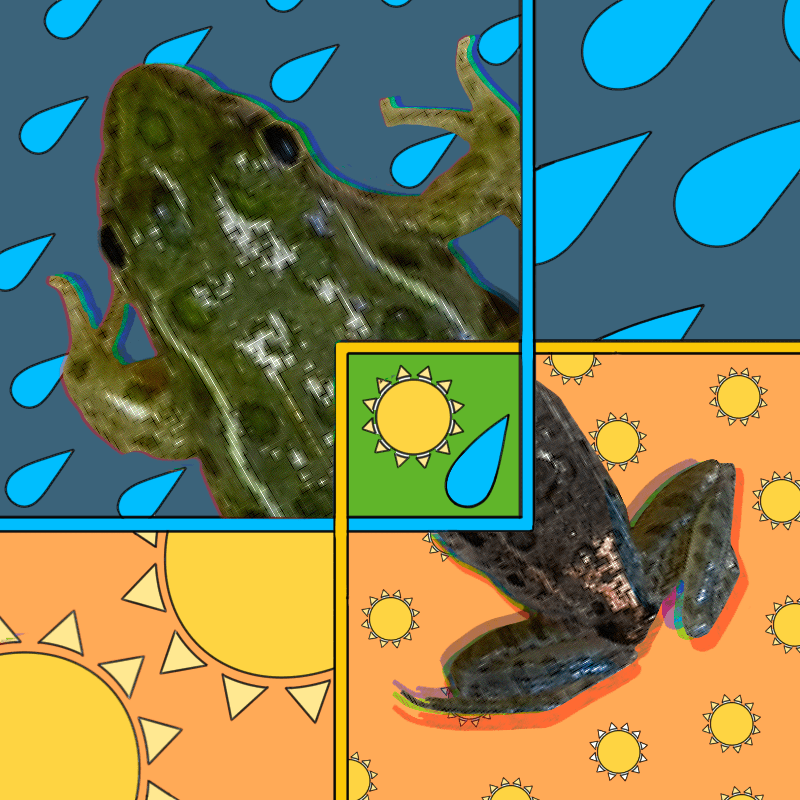
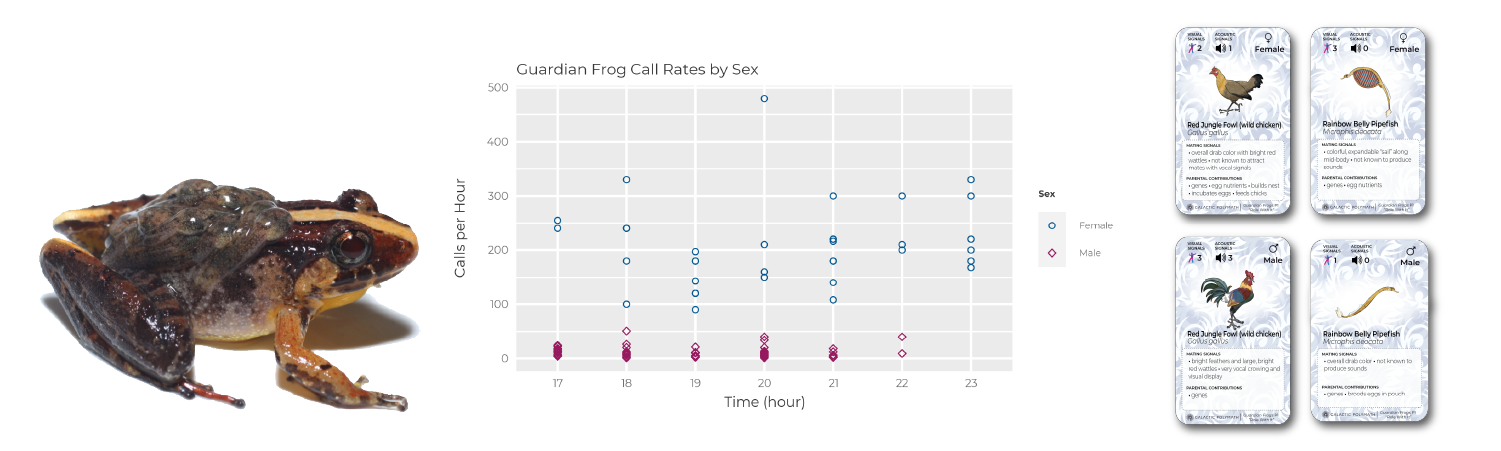
Guardian Frogs of Borneo

Out of 8,000+ frog species, Guardian Frogs are one of the first to show females that call & males that care for offspring. Students will gain wonder and appreciation for how diverse animal mating systems are while doing fun activities and analyzing real data.

Show resource details3 items
Open unit
5-9Science

I Like That!

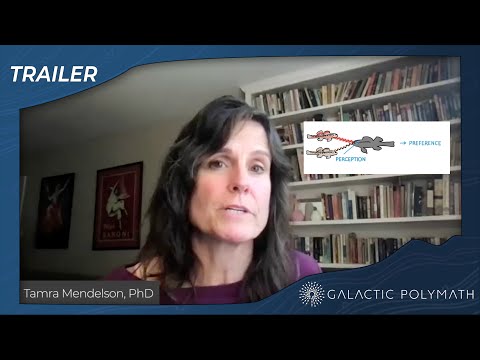
Students will conduct experiments and analyze real scientific data as they learn about themselves. They'll learn how our eyes and brains interact to determine what we like and dislike, and apply this knowledge to fish research and the art of character design.

Show resource details4 items
Open unit
6-8Science

What Do Birds Do in Winter?

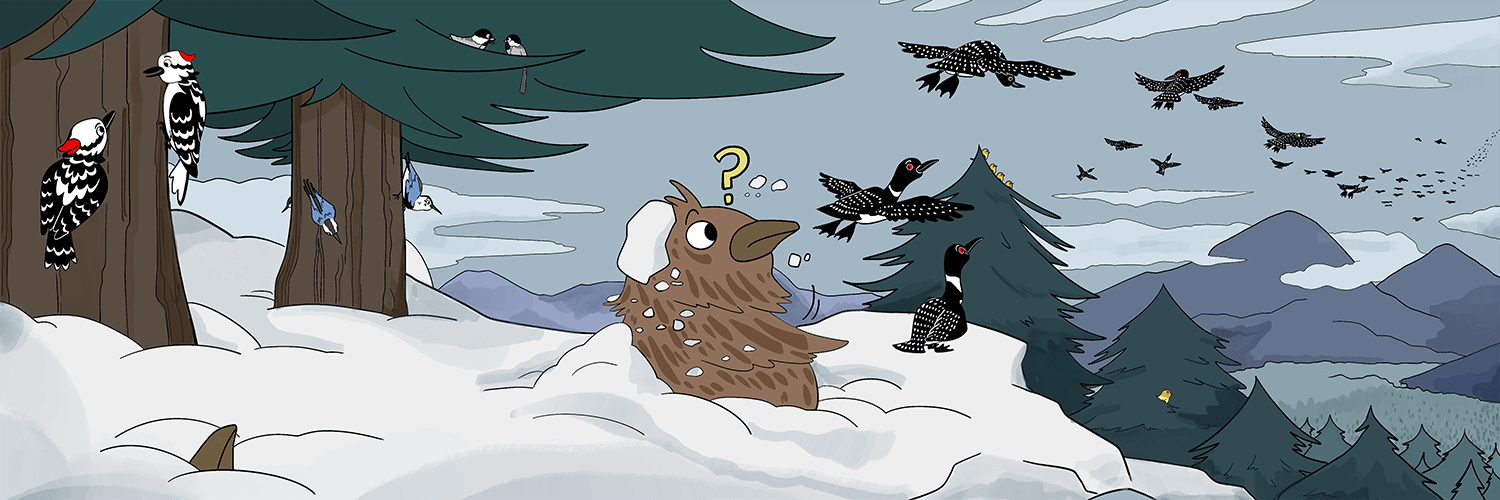
Explore the secret lives of nonmigratory winter birds! Use data, games, and simulations to uncover their unique adaptations for surviving the cold and reveal the 'feathered flurries of activity' in the dead of winter.

Show resource details3 items
Open unit

What is data literacy?

Data literacy is the ability to read, understand, analyze, and communicate data. In education, data literacy helps students interpret graphs, identify patterns, and use evidence to support scientific explanations.

  • Read and interpret graphs and charts
  • Analyze real-world datasets
  • Identify trends and patterns
  • Draw conclusions based on evidence

Why is data literacy important for students?

Data literacy is a critical skill in modern science education. Students encounter data in nearly every field, from climate science to biology, and need to be able to interpret and evaluate it.

  • Think critically about information
  • Understand real-world scientific issues
  • Build skills used in STEM careers
  • Make evidence-based decisions

How to teach data literacy in the classroom

Teachers can build data literacy by giving students opportunities to work with real data and ask meaningful questions.

These data literacy lessons are designed to support teachers with ready-to-use classroom materials and structured investigations.

  • Use graphing and data analysis activities
  • Have students interpret real datasets
  • Guide students to identify patterns and trends
  • Encourage evidence-based explanations

Data literacy activities, projects, and examples

Students develop data literacy skills best through hands-on practice. These lessons include:

These activities go beyond traditional worksheets by engaging students with meaningful, real-world data.

  • Graph interpretation activities
  • Data analysis projects
  • Real-world science investigations
  • Opportunities to read and analyze graphs

Frequently asked questions

What is data literacy in education?

Data literacy in education refers to the ability of students to read, analyze, and interpret data as part of learning across subjects, especially science and STEM.

Why is data literacy important for students?

It helps students understand real-world information, think critically, and make evidence-based decisions.

What are examples of data literacy activities?

Examples include interpreting graphs, analyzing datasets, identifying patterns, and completing data-driven science projects.

How do you teach students to read graphs?

Guide students through identifying trends, comparing data, and drawing conclusions. A strong example inside Galactic Polymath is the PPSTT graph-reading routine featured in the Data Streams unit.

Related collections

Related standards indexes

Need a wider search?

Get Support

Let us know how we can help.